Frequently Asked Questions
OUR FAQ's
Frequently Asked Questions
Got questions? Find answers about how we deliver clean water projects, provide targeted community support, and ensure transparency in everything we do.
How does Ripples of Change Uganda support local communities?
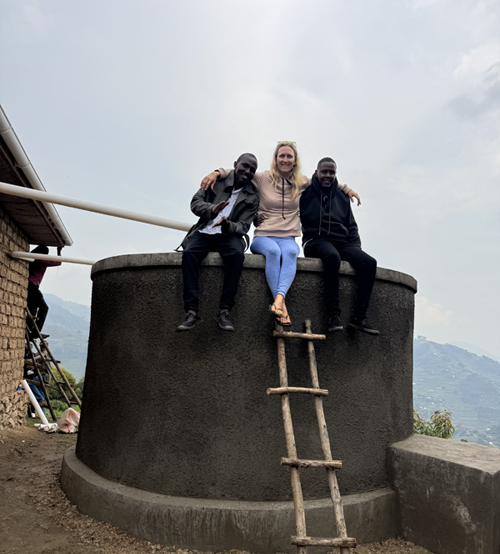
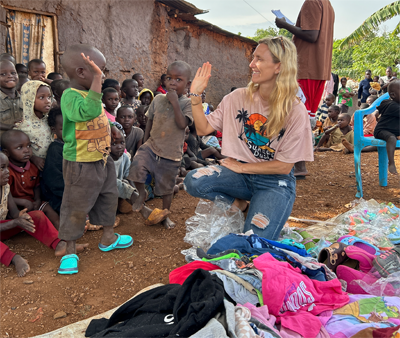
We support local communities by building 20,000L rainwater harvesting tanks that provide clean water for up to 400 people per tank. These projects are community-led and constructed in partnership with local builders and community members. Our project managers on the ground work directly with community leaders to identify where support is most needed. Decisions are based on factors such as current access to water, distance travelled to collect water, and the quality of available water. Alongside our water projects, we provide targeted humanitarian support for individuals and families facing urgent need. Each case is assessed in collaboration with the family to understand their situation, the type of support required, and the expected duration of assistance. All support is delivered to local community members within the region.
How do you ensure donations make a real impact?
We work with trusted local project managers who are involved in both decision-making and the direct delivery of support. This ensures that assistance is provided to the right people in the right way, rather than being distributed as cash. At each stage of project delivery, photographic evidence is collected to ensure transparency and accountability. We also maintain ongoing contact with families and communities directly to understand the impact of our work and ensure support has been effective.
Where do your projects take place?
Our work is primarily based in Kisoro and Jinja, but can extend to other regions across Uganda depending on need. We partner directly with local communities to deliver clean water infrastructure and targeted humanitarian support.
How are water tanks built?
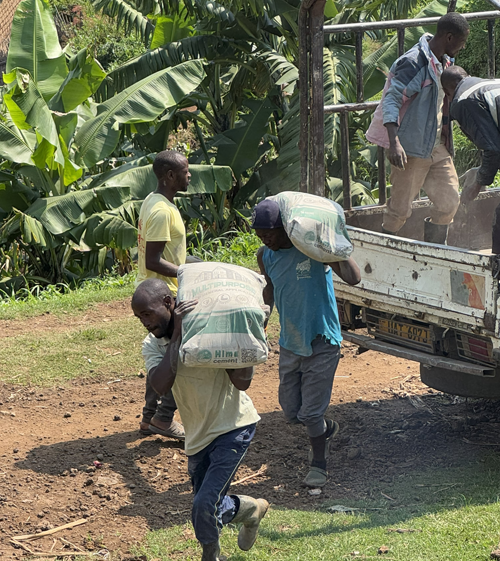
Each tank is built by hand alongside the local community, using locally sourced materials
and shared labour. Materials are delivered by truck to the base of the site, before
community members work together to carry everything up steep terrain to the construction
site.
Construction begins with preparing and levelling the ground, followed by building a
reinforced foundation using cement, sand, and stone. Over several days, layers of steel
mesh, iron reinforcement, and concrete are added to create a strong and durable
structure.
The inside and outside walls are then sealed in multiple layers to ensure the tank is
watertight. Once the structure has set, the roof is constructed using reinforced supports and sealed with cement.
Finally, gutters are installed to channel rainwater into the tank, along with taps and secure
access points to ensure safe, long-term use.
How can I contribute to your mission?
There are many ways to support our work. You can contribute through financial donations, sponsoring projects, supporting fundraising campaigns, volunteering at events, or helping to raise awareness of our work within your community or networks. You can also support by partnering with us through schools, organisations, or businesses to help expand the reach and impact of our projects.
How does Ripples of Change Uganda manage administration costs?
We are committed to using donated funds responsibly and keeping administration costs as low as reasonably possible. Like any registered charity, Ripples of Change Uganda has essential costs associated with operating the organisation, including financial management, governance, compliance, fundraising, insurance, project coordination, communication and monitoring. These costs help us operate responsibly and ensure that funds are properly managed and reach the communities we support. We do not believe that a simple percentage of administration costs tells the full story of how effectively a charity operates. We therefore focus on transparency, responsible financial management and the measurable impact of the work we deliver. Our financial information is reported to the Australian Charities and Not-for-profits Commission (ACNC) as required and is publicly available through the ACNC Charity Register. If you would like further information about how Ripples of Change Uganda uses its funds, please contact us.